
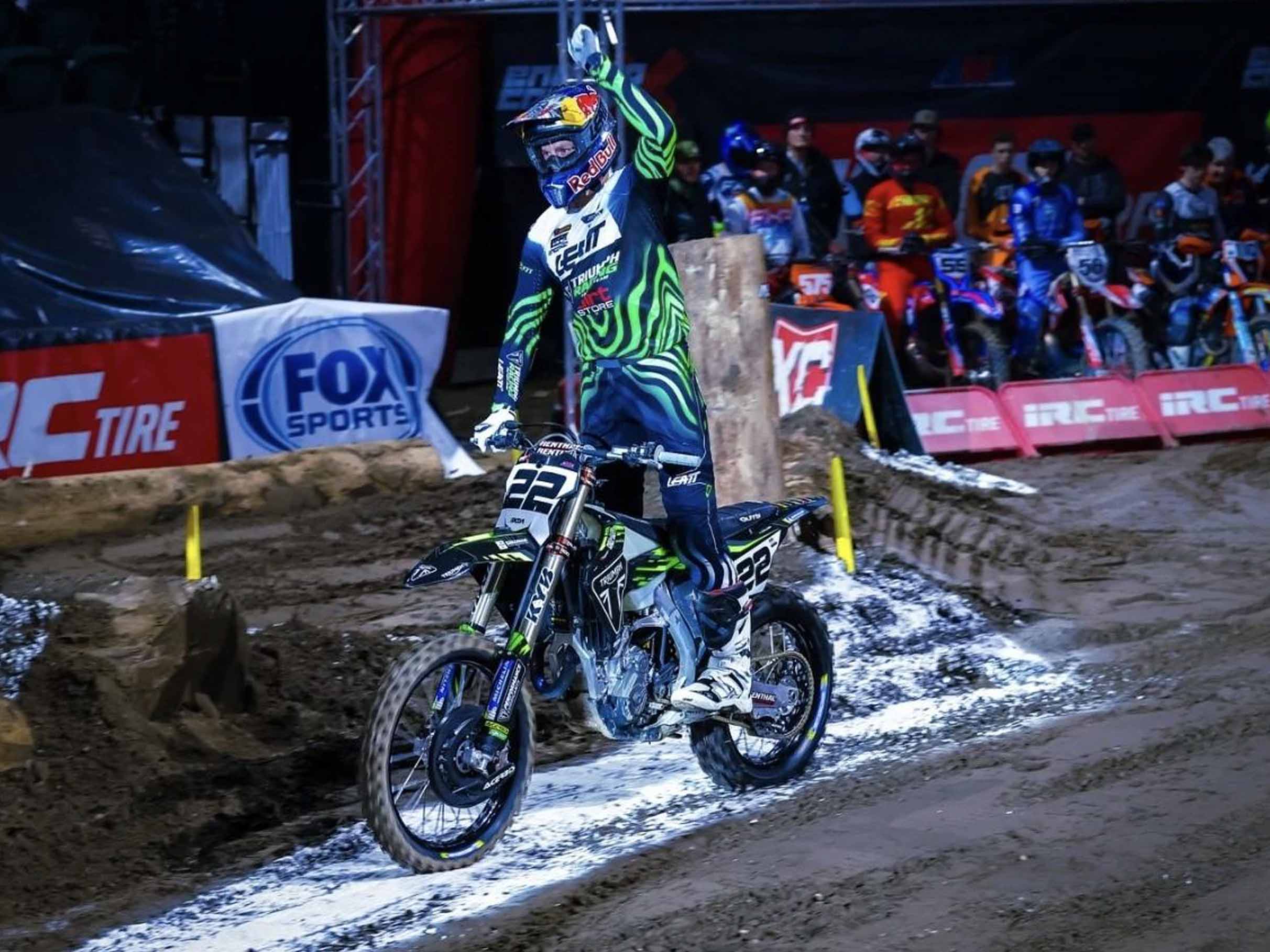
Il motociclismo enduro si differenzia dal motocross per diversi aspetti che influiscono sulla scelta della mousse:
Una mousse per l'enduro deve garantire il giusto equilibrio resistenza al calore, morbidezza per una migliore trazione, e resistenza per le lunghe distanze. Se non si trova il giusto equilibrio, la mousse o si surriscalda e si smonta, oppure risulta troppo rigida per garantire un'aderenza adeguata sui terreni tecnici.
Gli inserti in schiuma sono disponibili in diverse formulazioni di densità, generalmente classificate in quattro livelli, da ultra morbida a rigida. Ciascuna formulazione utilizza uno specifico composto di schiuma a cellule chiuse che determina il modo in cui la schiuma si comprime sotto carico. Come riferimento, esprimiamo la pressione d'aria equivalente: un valore in bar più basso indica una sensazione più morbida e elastica.
| Durezza | Equivalente di pressione | Il migliore per | Resistenza | Resistenza al calore |
|---|---|---|---|---|
| Ultra morbido | 0,3 Bar | Enduro estremo, rocce bagnate, percorsi fuoristrada tecnici | Parte inferiore — usura più rapida su terreni tecnici | Minimo — attrito massimo in velocità |
| Morbido | 0,5 Bar | Sentieri nel bosco, single track, terreno misto dal punto di vista tecnico | Moderato | Basso |
| Medio | 0,8 Bar | Deserti, praterie, terreni del Gobi, enduro a tutto tondo | Ottimo — equilibrio tra vita privata e prestazioni | Bene |
| Duro | 1.1 Bar | Rally ad alta velocità, gare della Baja, tratti a velocità costante | Eccellente — durata massima, oltre 200 ore | Il migliore — la schiuma densa resiste al calore prolungato |
Mousse ultra morbida (equivalente a 0,3 bar) è la nostra mescola più morbida, progettata specificamente per l’enduro estremo, dove la trazione su rocce bagnate e radici è fondamentale. A velocità ridotte durante il superamento di ostacoli tecnici, la mescola ultra-morbida si adatta alle superfici irregolari garantendo il massimo grip. Si usura più rapidamente rispetto alle altre densità e non è consigliata per i tratti ad alta velocità o le lunghe tappe di trasferimento.
Mousse morbida (equivalente a 0,5 bar) è ideale per il fuoristrada su sentieri forestali e l’enduro su single track. Offre un eccellente assorbimento delle irregolarità del terreno e una trazione ottimale su superfici sconnesse, garantendo al contempo una durata maggiore rispetto alla versione ultra morbida in condizioni miste. Consigliamo la versione morbida ai ciclisti che privilegiano la sensibilità e l’aderenza rispetto alla massima durata.
Mousse media (equivalente a 0,8 bar) è l’opzione più versatile e quella con la maggiore densità volumetrica. Nei nostri test, la schiuma a media densità si è dimostrata adatta a terreni misti — dal deserto aperto alle praterie fino al Gobi — e mantiene prestazioni costanti per 80–120 ore di guida. Per una schiuma da enduro per uso generico che funzioni nella maggior parte delle condizioni, questa è la specifica che consigliamo alla maggior parte dei motociclisti.
Mousse dura (equivalente a 1,1 bar) è progettato per una guida prolungata ad alta velocità. Se il tuo percorso di enduro prevede lunghi trasferimenti su strade sterrate, tratti nel deserto o gare in stile Baja, la mescola dura resiste al degrado termico meglio di qualsiasi altra densità. La mescola dura garantisce la massima durata: abbiamo misurato una vita utile superiore a 200 ore in applicazioni da rally.
Sì, ma la mousse deve essere adeguata alle condizioni. Per le gare di rally su lunga distanza come la Baja 1000 o l’African Eco Race, consigliamo:
Il rischio maggiore nell'utilizzo in rally su lunghe distanze è accumulo di calore. A differenza di una camera d’aria, la schiuma non può dissipare il calore attraverso l’aria di gonfiaggio. La struttura a celle chiuse della schiuma assorbe calore mentre viene compressa e poi si ripristina. Dopo 6–8 ore di guida continua ad alta velocità, la temperatura interna della schiuma può superare i 120 °C (248 °F), accelerando il degrado della schiuma.
Per gestire il calore in condizioni di rally:
La nostra schiuma per rally utilizza una mescola di schiuma resistente alle alte temperature, progettata per un funzionamento continuo a 110 °C (230 °F) con una tolleranza massima di 140 °C (284 °F).
Tutti gli inserti in schiuma generano calore durante l'uso. La questione non è se la schiuma si surriscaldi, ma a quale soglia di temperatura la schiuma inizi a deteriorarsi.
Segnali di surriscaldamento della mousse:
I dati delle nostre prove di laboratorio sulle temperature di funzionamento della mousse:
| Condizione | Intervallo di velocità | Temperatura interna (tipica) | Livello di rischio |
|---|---|---|---|
| Enduro estremo (crawling) | 5–20 km/h | 50–70 °C | Basso |
| Enduro su single track | 20–50 km/h | 60-85°C | Basso–Moderato |
| Gare nel deserto/rally | 80–120+ km/h | 90–120 °C | Alto |
| Surriscaldamento (guasto imminente) | Qualsiasi | 130°C+ | Critico |
Per i responsabili degli acquisti: la specifica da cercare è la temperatura massima di esercizio continuata della miscela per la mousse. La schiuma standard per mousse è in genere progettata per resistere a temperature comprese tra 80 e 100 °C in modo continuativo. La nostra mousse Motobike Más è formulata per resistere a 110 °C in modo continuativo, con un picco di 140 °C.
Per ridurre al minimo il rischio di surriscaldamento:
I dati relativi alla temperatura riportati nella presente guida sono stati raccolti tramite test di laboratorio controllati effettuati presso il centro di ricerca e sviluppo del nostro stabilimento di Tianjin. Ciascuna formulazione di mousse è stata testata secondo la seguente metodologia:
Questi metodi di prova derivano dai metodi di prova standard ASTM D1056 per i materiali cellulari flessibili e dalle norme ISO 5893 relative alle apparecchiature di prova per la gomma. Pubblichiamo questa metodologia per aiutare i responsabili degli acquisti a valutare le nostre specifiche rispetto ai parametri di riferimento del settore.
Per ricevere una copia completa dei nostri rapporti di prova, contattate il nostro team di ingegneri all'indirizzo info@motobikemas.com. Sono disponibili dati di prova campione per gli acquirenti B2B qualificati, previa sottoscrizione di un accordo di riservatezza (NDA).
È proprio nell'enduro estremo — con eventi come l'Erzbergrodeo, il Romaniacs e il Tough One — che gli inserti in mousse dimostrano di superare nettamente le camere d'aria e i sistemi Tubliss.
Perché la mousse è la scelta vincente nell'enduro estremo:
Il compromesso nell'enduro estremo è che i terreni più morbidi e tecnici richiedono un massa per mousse più morbida rispetto a quanto offerto dalla maggior parte degli inserti in schiuma per uso generico. La schiuma standard di durezza media può risultare troppo rigida sulle radici bagnate e sulle pareti rocciose, riducendo l’aderenza.
Il nostro consiglio per l'enduro estremo:
| Tipo di equitazione | Durezza consigliata | Durata prevista | Priorità fondamentale |
|---|---|---|---|
| Enduro estremo (Erzberg, Romaniacs) | Anteriore morbido / Posteriore morbido-medio | 40-60 ore | Protezione anti-foratura da schiacciamento |
| Enduro estremo (single track, tecnico) | Da morbido a medio | 60–80 ore | Aderenza su rocce/radici |
| Enduro classico (terreni misti) | Medio | 80-120 ore | Equilibrio a tutto tondo |
| Gare di cross-country / GNCC | Medio | 60–80 ore | Gestione del calore |
| Rally / corse nel deserto | Posteriore duro / Anteriore medio | 120–200 ore | Resistenza al calore |
| Dual sport / avventura | Medio | 100–150 ore | Longevità |
Per i responsabili degli acquisti e i distributori che devono scegliere le scorte di mousse:
Quanto dura una mousse da enduro?
A seconda della densità e delle condizioni, da 40 ore (uso leggero ed estremo) a 200 ore (uso intenso, da rally). Una mousse a media densità su terreni misti garantisce in genere una durata compresa tra 80 e 120 ore.
Posso riutilizzare una mousse dopo una gara?
Sì, purché non abbia superato i propri limiti termici. Verificare che non presenti segni di sgretolamento, residui bianchi o punti molli. Se la schiuma risulta uniformemente compatta e non mostra segni di deterioramento, può essere riutilizzata.
Qual è la migliore mousse per l'enduro estremo?
Mousse a densità morbida nella parte anteriore e da morbida a media nella parte posteriore. La protezione contro le forature da schiacciamento è la priorità assoluta nell’enduro estremo, il che rende la mousse la scelta migliore rispetto alle camere d’aria.
I piloti professionisti di enduro usano la mousse?
La maggior parte dei piloti professionisti di enduro che partecipano a gare di hard enduro e a eventi estremi utilizza inserti in schiuma. Le prestazioni costanti e l’affidabilità anti-foratura compensano ampiamente il peso aggiuntivo.
La mousse è più leggera di un tubetto?
Un inserto in schiuma pesa in genere tra i 500 e i 900 g a seconda delle dimensioni, il che lo rende leggermente più pesante di un tubo (400–600 g). Il compromesso è accettabile in considerazione del vantaggio offerto dalla resistenza alle forature.
Posso usare la mousse da motocross per l'enduro?
La mousse da motocross è pensata per un utilizzo più breve e ad alta intensità. In condizioni di enduro, si surriscalda più rapidamente. Utilizza una mousse formulata specificamente per l’enduro o il rally, con una maggiore resistenza al calore.
Informativa del produttore: La presente guida è pubblicata da Motobike Más, produttore di inserti in schiuma e pneumatici per moto. Tutti i dati relativi alle prestazioni, le specifiche di temperatura e le stime sulla durata riflettono i test condotti sui nostri prodotti presso il nostro stabilimento di Tianjin. Sebbene riteniamo che tali dati siano accurati e riproducibili, i risultati individuali possono variare in base alle condizioni di guida, al montaggio degli pneumatici e alla tecnica del pilota. Si consiglia di consultare il nostro team di ingegneri per ricevere indicazioni specifiche relative all’applicazione. Il presente contenuto ha scopo puramente informativo e non costituisce alcuna garanzia in merito alle prestazioni.
Nel nostro stabilimento di Tianjin produciamo inserti in schiuma per enduro con quattro formulazioni di densità ottimizzate per diverse condizioni di guida. La nostra schiuma viene testata a temperature di esercizio fino a 110 °C in modo continuativo ed è disponibile per OEM, ODM e distribuzione all'ingrosso. Contattateci per le specifiche tecniche e i prezzi all'ingrosso.
Indirizzo dello stabilimento: Stanza 303, Edificio 2, n. 11, via Xihu, distretto di Nankai, Tianjin, Cina
E-mail: info@motobikemas.com
Capacità annuale: 3.000.000 di unità
Mercati serviti: Oltre 30 paesi in tutto il mondo