
Every question a buyer or a rider has about a mousse insert comes down to one thing: the insert has to be the same size as the tire it goes into. A mousse insert is a closed-cell foam tube cut to one tire size, on one rim diameter, for one carcass profile. It replaces the inner tube inside that tire and carries the load the air would otherwise carry, so the tire can still be inflated normally, the mousse sets the structure and the air sets the profile, grip and rolling resistance.
This page is the reference for the whole Motobike Más range: how to read a tire size designation, the complete list of sizes the factory currently publishes with their published specifications, what the density grades mean, which sizes can never be swapped for one another, how service life is measured across different use cases, and how the ordering terms work. Each individual size has its own guide on this site, linked from the tables below, and those pages carry the size-specific detail.
Última actualización: 19 de noviembre de 2026. Fuentes de datos: the published Motobike Más product specifications for MMO-001 through MMO-009 and the factory’s published fitment, density, pressure and lifespan tables. Dimensions shown as “≈” are calculated from the published tyre size designations rather than measured by the factory.
Motorcycle tire sizes follow a standardised format: width / profile / rim diameter. Taking a 90/90-21 as the example:
From those three numbers two useful figures can be calculated. The sidewall height is the section width multiplied by the aspect ratio, and the overall diameter is the rim diameter plus twice the sidewall height. Those two calculations answer most of the practical questions a buyer has, including whether two sizes can be swapped, whether gearing changes, and which tire is the taller one.
The most common mistake in the category is reading the two front sizes as interchangeable because they share a rim diameter. The 80/100-21 and the 90/90-21 both run on a 21 inch rim and both come out at almost the same overall diameter, but they have different section widths and different profiles, and a mousse insert cut for one will not seat correctly in the other. The rule that governs everything else on this page is simple: a mousse is size-specific and must match its own tire exactly.
Nine sizes are currently published with their own product pages and specification tables. Every one of them is a made-to-order line item rather than a stocked item, so the table below is the range the factory quotes from, not a list of sizes held in finished-goods stock.
| Talla | Referencia | Position | Aplicación típica | Published unit weight | Vida útil indicada |
|---|---|---|---|---|---|
| 80/100-21 | MMO-007 | Front | Full-size motocross and supercross front wheel | 0.9–1.1 kg | 200-500 millas de carrera |
| 90/90-21 | MMO-006 | Front | Full-size enduro, cross-country, trail and adventure front wheel | 1.0–1.2 kg | 200-500 millas de carrera |
| 90/100-21 | MMO-008 | Front | Rally, desert and adventure front wheel | 1.1–1.3 kg | 300–800 racing miles |
| 70/100-19 | MMO-005 | Front | Youth motocross, pit bike and lightweight off-road front wheel | 0.9–1.1 kg | 200-500 millas de carrera |
| 90/100-16 | MMO-009 | Rear | Youth motocross, mini dirt bike and pit bike rear wheel | 0.7–0.9 kg | 200-500 millas de carrera |
| 110/90-19 | MMO-003 | Rear | Standard full-size motocross and enduro rear wheel | 1.2–1.5 kg | 200-500 millas de carrera |
| 100/90-19 | MMO-004 | Rear | Narrower full-size motocross rear wheel for lighter riders and quicker steering | 1.1–1.4 kg | 200-500 millas de carrera |
| 120/90-18 | MMO-001 | Rear | Rally, hard enduro and desert rear wheel | Available on request | 200-500 millas de carrera |
| 140/80-18 | MMO-002 | Rear | Heavy-duty adventure, rally and expedition rear wheel | Available on request | 200-500 millas de carrera |
Each size has its own guide with the detail that applies to it: the 80/100-21 motocross front, el 90/90-21 enduro front, el 90/100-21 rally front, el Neumático delantero para jóvenes 70/100-19, el 90/100-16 youth rear, el 110/90-19 standard rear, el 100/90-19 narrow rear, el 120/90-18 rally rear y el 140/80-18 heavy-duty rear.
Other sizes in the category — the 110/100-18 and 120/80-19 enduro and motocross rears, the 100/100-18 narrow rear, the 60/100-17 and 90/90-19 fronts, and the 10 to 14 inch mini and youth sizes used on small pit bikes — are produced on the same line on request. They do not have published specification tables or product pages of their own, so the factory confirms the current size list, minimums and lead times directly. Contact the factory for the size and specification request, and see the motorcycle mousse product range for the published line.
The table below applies the calculation set out above to every published size, so that two sizes can be compared directly without a calculator. Sidewall height is section width multiplied by aspect ratio; overall diameter is rim diameter plus twice the sidewall height.
| Talla | Ancho de la sección | Relación de aspecto | Altura del flanco | Diámetro de la llanta | Diámetro total |
|---|---|---|---|---|---|
| 80/100-21 | 80 mm | 100% | ≈ 80 mm | 21 in | ≈ 693 mm |
| 90/90-21 | 90 mm | 90% | ≈ 81 mm | 21 in | ≈ 695 mm |
| 90/100-21 | 90 mm | 100% | ≈ 90 mm | 21 in | ≈ 713 mm |
| 70/100-19 | 70 mm | 100% | ≈ 70 mm | 19 pulgadas | ≈ 623 mm |
| 110/90-19 | 110 mm | 90% | ≈ 99 mm | 19 pulgadas | ≈ 681 mm |
| 100/90-19 | 100 mm | 90% | ≈ 90 mm | 19 pulgadas | ≈ 663 mm |
| 90/100-16 | 90 mm | 100% | ≈ 90 mm | 16 pulgadas | ≈ 587 mm |
| 120/90-18 | 120 mm | 90% | ≈ 108 mm | 18 pulgadas | ≈ 673 mm |
| 140/80-18 | 140 mm | 80% | ≈ 112 mm | 18 pulgadas | ≈ 681 mm |
Three things fall out of this table that are worth knowing before ordering.
The first is that the two most common full-size front sizes are almost the same diameter. The 80/100-21 comes out at roughly 693 mm and the 90/90-21 at roughly 695 mm, a difference of about 2 mm. That is why they roll at the same speed and can be swapped between machines without touching gearing, and it is also why they are so often confused in a parts order. They are different tires and they take different inserts.
The second is that the rally front is the tallest of the three 21 inch fronts. The 90/100-21 reaches roughly 713 mm, about 20 mm more than the other two, because it pairs a 90 mm section width with a 100% aspect ratio. That extra diameter is the reason the rally front is the correct choice for desert and gravel load and the wrong choice for a tight motocross track.
The third is that the front is usually taller than the rear it is paired with. A 90/90-21 front at roughly 695 mm against a 110/90-19 rear at roughly 681 mm is a difference of about 14 mm, which is normal for a 21 inch front and 19 inch rear combination and is one of the reasons enduro bikes look front-heavy. Because the two are close in diameter, gearing and speedometer readings are unaffected.
Every Motobike Más insert is made in more than one density, and the density is the single variable that decides how the insert behaves over rough ground and how long it lasts.
A density grade is a rating of how hard the foam itself is, not an inflation pressure. The tire is still inflated with air at the bike’s normal off-road pressure, the mousse carries the structural load, and the air sets the profile and the contact patch. This is the most misunderstood specification in the whole category, and getting it wrong is how a buyer ends up inflating a tire to 11 psi because the “1.1 Bar” figure on the box looked like a pressure. The full explanation is worth reading before a purchase order goes out, and it is the reason the two grade systems below are explained separately.
The factory does not publish the grade set identically across the range, and a buyer comparing two size guides can reasonably conclude that one of them is wrong. It is not. Two different publishing conventions are in use, and the table below sets out which SKU uses which.
| Referencia | Talla | Position | Grade naming convention | Effective pressure published | Rider-weight bands published |
|---|---|---|---|---|---|
| MMO-001 | 120/90-18 | Rear | Four bar grades: 1.1 / 0.8 / 0.5 / 0.3 Bar | Not published | Not published |
| MMO-002 | 140/80-18 | Rear | Four bar grades: 1.1 / 0.8 / 0.5 / 0.3 Bar | Not published | Not published |
| MMO-003 | 110/90-19 | Rear | Suave / Medio / Estándar | 8–12 psi | Under 75 kg / 75–90 kg / Over 90 kg |
| MMO-004 | 100/90-19 | Rear | Suave / Medio / Estándar | 8–12 psi | Under 75 kg / 75–90 kg / Over 90 kg |
| MMO-005 | 70/100-19 | Front | Suave / Medio / Estándar | 8–12 psi | Under 50 kg / 50–70 kg / Over 70 kg |
| MMO-006 | 90/90-21 | Front | Suave / Medio / Estándar | 8–12 psi | Under 70 kg / 70–90 kg / Over 90 kg |
| MMO-007 | 80/100-21 | Front | Suave / Medio / Estándar | 8–12 psi | Under 70 kg / 70–90 kg / Over 90 kg |
| MMO-008 | 90/100-21 | Front | Medium / Standard / Heavy-Duty | 8–12 psi | Under 75 kg / 75–95 kg / Over 90 kg |
| MMO-009 | 90/100-16 | Rear | Suave / Medio / Estándar | 8–12 psi | Under 35 kg / 35–50 kg / Over 50 kg |
The practical reading of that table is straightforward. The four bar grades belong to the two heavy-duty rear sizes, the 120/90-18 and the 140/80-18, and those two SKUs are published with the bar figure as their primary grade label. The remaining seven sizes are published with named grades, and each of those SKUs additionally publishes an effective pressure equivalent and a rider-weight band for every grade. The 90/100-21 rally front is the one that uses a duty rating rather than a softness band, because desert and gravel work calls for a heavier-duty compound rather than an extra level of softness.
Because the foam is what carries the load, a softer grade gives more grip and more compliance before it gives up, and a firmer grade holds together longer on hard, fast terrain. The published effective pressure equivalent across the named-grade sizes is 8–12 psi depending on the grade, against the 12–18 psi typically used for a tube setup on the same off-road tire.
Two rules apply across the whole range. First, the grade is chosen for terrain and rider weight, and the tire pressure is set separately from the bike’s own guidance — they are different settings and moving one does not move the other. Second, the published rider-weight bands are set per size and are not interchangeable between sizes, and the spread across the range is wide: the softest grade on the 90/100-16 junior rear is published for riders under 35 kg, while the same soft grade on the 90/90-21 front is published for riders under 70 kg. A rider who is comfortable on one size’s middle grade is not automatically on another size’s middle grade. Each size’s own guide carries its published weight table, and the factory confirms the current bands on request.
Grade naming and the exact band boundaries are confirmed by the factory on request for any SKU, and the B2B buyer FAQ covers what buyers most often need to know before a first order.
The comparison is the same on every size, so it is set out once here rather than repeated in each size guide.
| Factor | Relleno de mousse | Cámara de aire |
|---|---|---|
| Prevención de pinchazos | Completo: sin cámara de aire que se pueda perder | Vulnerable to pinch flats and punctures |
| Air pressure stability | Consistent for the life of the tire | Varies with temperature and altitude |
| Masa giratoria | Parte inferior: sin tubo y con un cierre de llanta más ligero | Más alto |
| Mantenimiento | Ninguna una vez instalada | Comprobación de la presión antes de cada salida |
| Reutilización | Transfer to a new tire if still serviceable | Replaced at every tire change |
| Adaptabilidad al terreno | Fixed by the density grade chosen | Adjustable through pressure |
| Weight against a tube | Heavier than the tube it replaces | Situación inicial |
| Instalación | Moderate difficulty, water-based lubricant only | Más fácil |
The one place the mousse loses is weight: an insert is roughly 700 to 1,500 g depending on size against about 400 to 600 g for an inner tube of the same size. What it wins back is rotating mass, because the tube setup it replaces normally needs a heavy-duty rim lock, and the published reduction against a tube plus a rim lock is up to 40% across the range. The front wheel is where the case is strongest, because a front deflation takes the steering away without warning rather than merely costing time; the rear-wheel case is largely about durability.
The full argument, including the cost side of it, is in Relleno de espuma frente a cámara de aire, y los sistemas alternativos de célula cerrada se comparan en La mousse frente al sistema Tubliss.
Tire brand and carcass variations. Even among tires marked with the same size designation, internal volume varies significantly between brands and models. A stiff carcass may need a different pressure than a compliant one to deliver the same footprint, and a tire that runs a taller internal air volume will behave differently from one that does not. Where a machine has been set up around a particular tire, check the carcass before assuming a standard pressure.
Rim width. The rim width a tire is fitted to has to be compatible with the tire’s fitment marking, and a mousse insert has to be cut to match the carcass it is going into. A front wheel that is out of specification for its tire will not hold an insert properly, and a forced insert sits off-centre and makes the steering feel vague in every corner.
Front and rear are not interchangeable. Even on the same machine, the front and rear tires rarely share a size, and the front and rear inserts are correspondingly different parts. The common full-size pairing is an 80/100-21 or 90/90-21 front with a 110/90-19 or 100/90-19 rear.
Youth machines are the most error-prone. A youth bike often mixes a 19 inch front with a 16 inch rear, or runs pit-bike and mini-bike wheels that share a tire size with nothing else in the range. The 70/100-19 youth front and the 90/100-16 youth rear are covered in their own guides, and the compatibility rules in the tables above apply to them in exactly the same way as to a full-size machine.
Service life is quoted differently depending on how the insert is actually used, and mixing the units is the most common source of confusion between a distributor and a customer.
| Caso de uso | Terreno | Vida útil prevista | Neumáticos por mousse |
|---|---|---|---|
| Motocross (profesional) | Pistas acondicionadas, nieve compacta | 30-60 horas | De 1 a 2 neumáticos |
| Motocross (amateur) | Condiciones variadas de la pista | 50-80 horas | De 2 a 3 neumáticos |
| Enduro (profesional) | Sendero técnico de una sola vía, rocas, raíces | 40-70 horas | De 1 a 2 neumáticos |
| Enduro (nivel intermedio) | Ruta mixta | 60-100 horas | De 2 a 3 neumáticos |
| Enduro extremo | Rocas escarpadas, troncos y subidas empinadas | 25-50 horas | 1 neumático |
| Carreras en el desierto y de rally | Terreno accidentado a alta velocidad | 30-60 horas | De 1 a 2 neumáticos |
| Paseos a caballo por senderos (sin pretensiones) | Senderos acondicionados, caminos forestales | 80-150 horas | De 3 a 5 neumáticos |
| Flota de alquiler | Condiciones variables | 60-120 horas | De 2 a 4 neumáticos |
Across the published range the standard figure is 200–500 racing miles, with the 90/100-21 rally front rated higher at 300–800 miles. The unit used changes with the use case: racing miles for motocross and enduro, and riding hours or sessions for youth and mini bikes, where the meaningful figure is time in the seat rather than distance covered.
Actual life depends on terrain, rider weight, the grade chosen and how often the wheel is refitted. The replacement indicators, storage conditions and shelf-life bands that apply to every size are set out below.
| Item | Detalle |
|---|---|
| Replace when | It feels noticeably softer or spongy compared with new, there are visible tears, chunks missing or deformation, it deforms, or the steering feel goes vague and front-end confidence drops in corners |
| Excessive heat | A mousse should be warm, not hot. Persistent overheating shortens service life and is not recoverable |
| Reutilización | A serviceable insert can be transferred to a new tire of the same size |
| Storage | Cool, dry place away from direct sunlight; do not store compressed or folded; keep away from ozone sources such as electric motors and welding equipment |
| Shelf life, sealed below 25°C in the dark | 3–5 years at full performance |
| Shelf life, sealed between 25 and 35°C | 2–3 years, with slight hardening |
| Shelf life, unsealed or exposed to air | 6–12 months, with oxidation beginning |
Compression set rather than punctures is what usually ends an insert’s life, and the inspection for it is covered in mousse insert lifespan y how long a motorcycle mousse lasts.
All nine sizes are made to order on the same production line, so the stocking decision is a commercial one rather than an operational one. The practical approach for most distributors is a core range stocked in depth, with the remainder available on request.
Tier 1 — the core range. These four sizes cover the large majority of the full-size market and are the ones to hold in depth across the density grades that actually sell:
Tier 2 — the range-extending sizes. These four cover the specialist and adjacent demand that turns a supplier into a partner rather than a vendor: the 90/100-21 rally front, the 100/90-19 narrow rear for lighter riders and quicker steering, the 70/100-19 youth front and the 90/100-16 youth rear.
Tier 3 — heavy duty. El 140/80-18 is the expedition and loaded-adventure rear. It moves more slowly than the rest of the range, but it is the size that differentiates a supplier able to supply the full heavy-duty end of the market.
| Term | Detalle |
|---|---|
| Cantidad mínima de pedido | Set per order and confirmed by the factory on request |
| Lead time | Typically 15–30 days for standard OEM production, depending on quantity and customization |
| Envíos | Sea (FOB Tianjin), air freight, and DDP available |
| Muestras | Pre-production samples available for evaluation |
| OEM / ODM | OEM mousse production with custom branding, packaging and colours, custom density formulations including front-specific and rally-specific formulations, and distributor partnerships |
| Material | Closed-cell nitrile rubber foam, produced in the Motobike Mas Tianjin plant |
On ordering terms. Because the line is made to order, the MOQ is confirmed per order rather than published as a fixed number, standard OEM production typically runs 15–30 days depending on quantity and customization, pre-production samples are available for evaluation, and shipping is available by sea on FOB Tianjin terms, by air freight or DDP. The full commercial framework is in the wholesale mousse insert guide y Fabricación OEM y ODM.
Because the range is made to order and the minimums are set per order, the fastest way to get an accurate answer is to ask the factory directly with the sizes and quantities in mind. The B2B buyer FAQ covers what buyers most often need to know before a first order, and the installation guide y the lifespan guide cover the two areas most often queried after the sale.
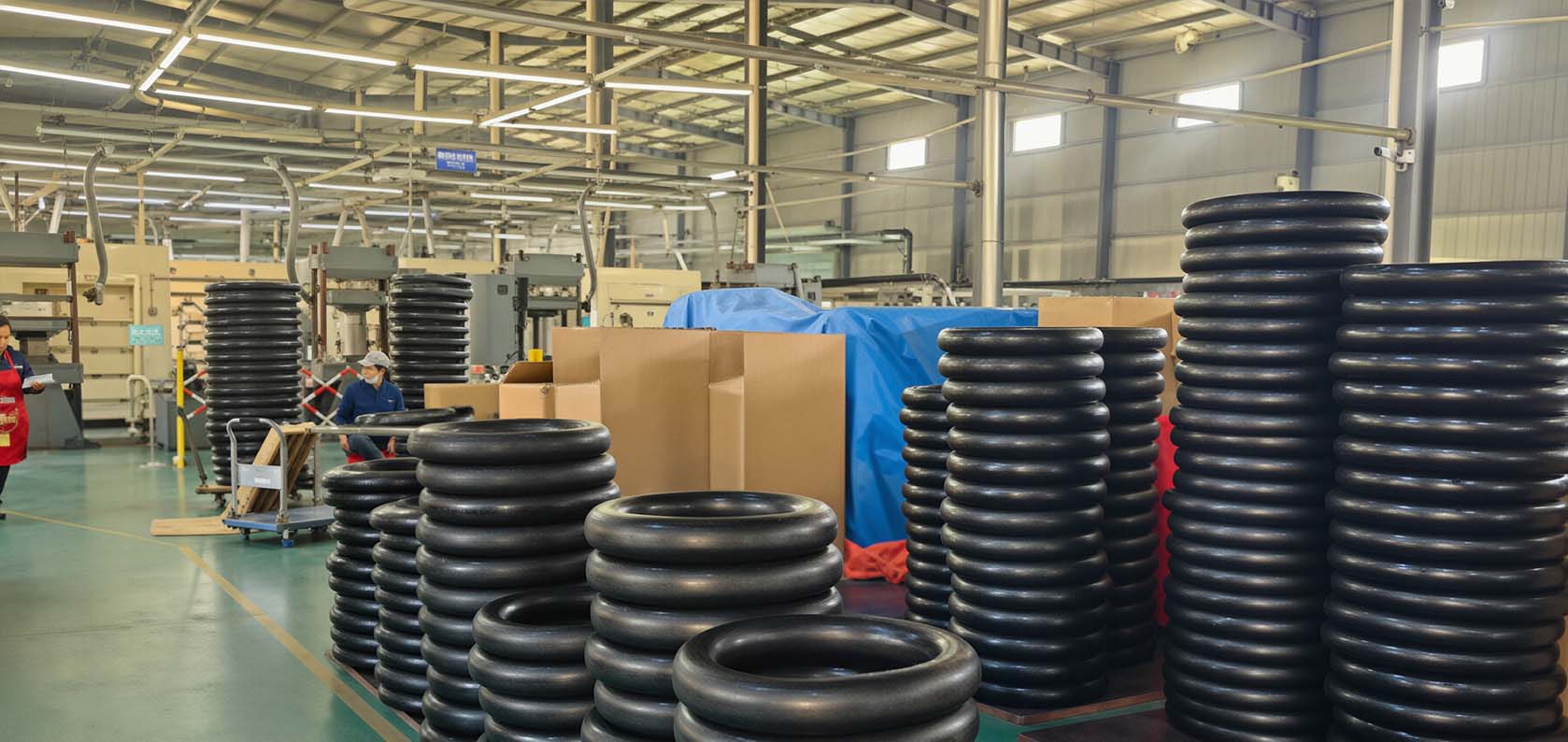
Contact the factory to request the current size list, minimums, density mix and lead time, or to request pre-production samples before placing a bulk order. The production line and the inspection regime behind every insert are shown in the Motobike Más manufacturing facility y the quality control process, and the certification framework is in ISO 9001, DOT and ECE certification.
Read the tire size designation off the sidewall of the tire itself. It is printed as width / profile / rim diameter, for example 90/90-21. The mousse insert must match that designation exactly, on the same section width, the same aspect ratio and the same rim diameter. A 90/90-21 insert will not seat correctly in an 80/100-21 tire even though both run on a 21 inch rim.
No. Mousse inserts are size-specific and are cut for one tire size. Using the wrong size results in improper fitment, reduced performance and a safety risk, because the insert will not sit correctly on the bead seat. The 80/100-21 and the 90/90-21 are the most commonly confused pair because they share a rim diameter and have almost identical overall diameters, but they are different tires and take different inserts.
The bar figure is a density-equivalent rating that describes how hard the foam itself is. It is not the pressure you put in the tire. The tire is still inflated with air at the bike’s normal off-road pressure, the mousse carries the structural load and the air sets the profile and grip. Two grade systems are in use across the range. The two heavy-duty rear sizes publish four bar grades, 1.1 / 0.8 / 0.5 / 0.3 Bar, and the remaining sizes publish named grades. Which convention a given SKU uses is listed in the table on this page, and each size’s own guide carries the grades published for that size.
The published figure across the range is 200 to 500 racing miles, with the 90/100-21 rally front rated higher at 300 to 800 miles. How that figure is measured depends on the use case: racing miles for motocross and enduro, and riding hours or sessions for youth and mini bikes. In practice the limit is often the number of wheel rebuilds rather than the distance, because an insert is removed and refitted far more often than it is ridden.
The MOQ is set per order and is confirmed by the factory on request, because the range is made to order rather than pulled from finished-goods stock. Standard OEM production typically runs 15 to 30 days depending on quantity and customization, and pre-production samples are available for evaluation before a bulk order. Shipping is available by sea on FOB Tianjin terms, by air freight, or DDP.
Yes. The OEM and ODM route covers custom branding, packaging and colours, custom density formulations including front-specific and rally-specific formulations, and distributor partnerships. The commercial framework is described in the OEM and ODM manufacturing guide, and the wholesale guide covers what buyers most often need to know before a first order.
Motobike Mas manufactures tires and mousse inserts under ISO 9001:2015 quality management, to DOT and ECE production standards. Every insert also passes density testing, compression recovery testing, heat resistance testing, dimensional inspection and structural integrity verification before packing. The full certification documentation is on the motorcycle tire certifications page.
For most distributors the core range is the 80/100-21 front, the 90/90-21 front, the 110/90-19 rear and the 120/90-18 rear, held in depth across the density grades their customer base actually runs. All nine published sizes run on the same line with the same tooling, so they can be combined on a single purchase order and shipped together, which is normally the cheapest way to hold a wider range.
No. A mousse insert is cut for one tire size and one rim diameter, and the size-specific rules are absolute. The two full-size front sizes are the most often confused, because the 80/100-21 and the 90/90-21 share a 21 inch rim and have almost identical overall diameters of roughly 693 mm and 695 mm, but they have different section widths and different profiles, and an insert cut for one will not seat correctly in the other.
Other sizes in the category, including the 110/100-18 and 120/80-19 enduro and motocross rears, the 100/100-18 narrow rear, the 60/100-17 and 90/90-19 fronts, and the 10 to 14 inch mini and youth sizes used on small pit bikes, are produced on the same line on request. They do not have published specification tables or product pages of their own, so the factory confirms the current size list, minimums and lead times directly.