
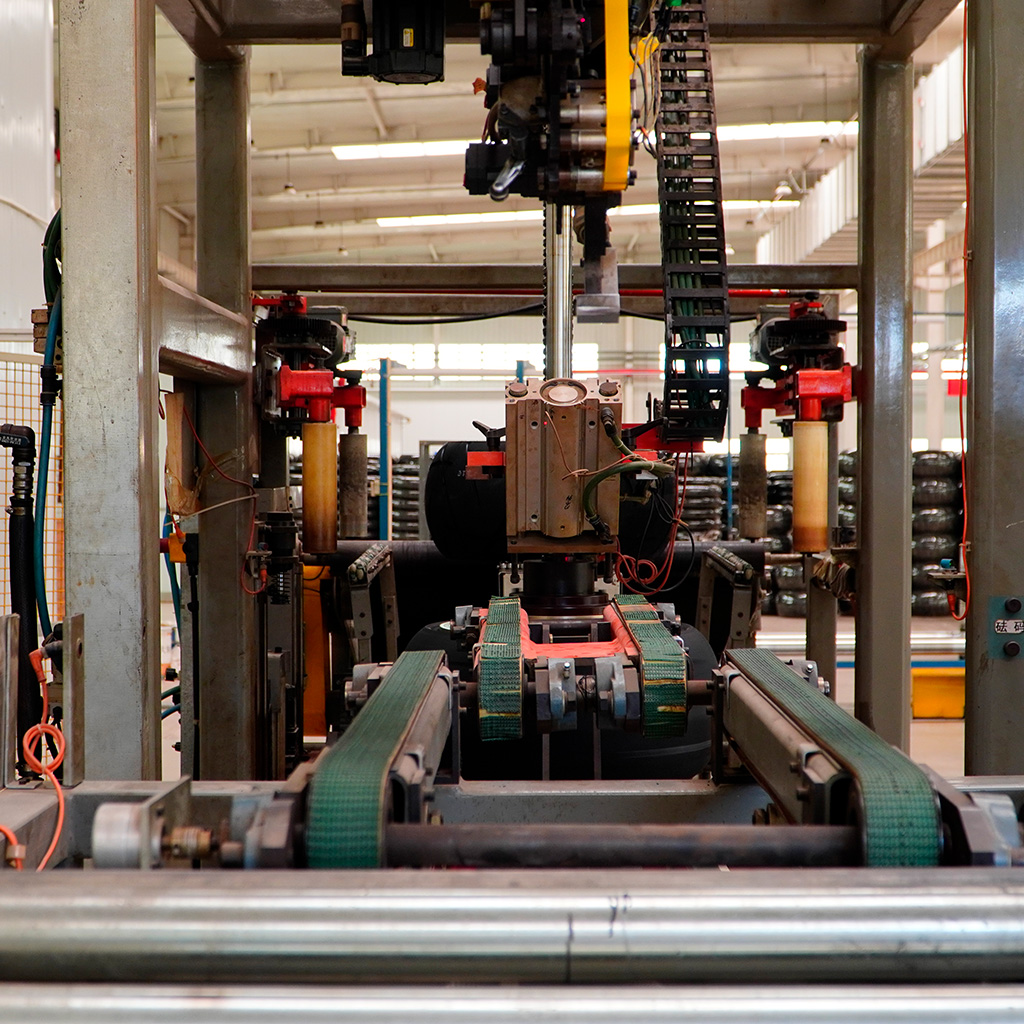
Che tu sia un distributore che effettua il suo primo ordine all’ingrosso o un rivenditore affermato che sta ampliando la propria gamma di prodotti, questo Domande frequenti sull'inserto in mousse tratta gli aspetti pratici degli acquisti che ogni acquirente B2B deve conoscere. Dalle specifiche dei prodotti e la gestione delle scorte alla logistica delle spedizioni e ai rapporti con i fornitori, questa sezione completa dedicata alle domande frequenti risponde alle domande più comuni che riceviamo dai clienti B2B di tutto il mondo.
Condivido questo Domande frequenti sull'inserto in mousse La collaborazione con i vostri team di acquisto e vendita consentirà di ridurre le richieste di informazioni pre-vendita, minimizzare gli errori negli ordini, prevenire controversie post-vendita e instaurare rapporti più redditizi con i fornitori. Per una panoramica più ampia, leggete il nostro Guida completa agli inserti in schiuma per il commercio all'ingrosso.
Ai nuovi distributori consigliamo di iniziare con le cinque misure più comuni, che coprono circa l'80% della domanda di mercato:
Dopo aver individuato le tendenze della domanda, ampliate l’offerta con 3-5 taglie aggiuntive. La maggior parte dei distributori ritiene che 10-12 SKU siano sufficienti a coprire il 95%+ delle richieste dei clienti. Consultate il nostro Guida completa alle taglie degli inserti per mousse per informazioni dettagliate sulla compatibilità.
I quantitativi minimi d'ordine (MOQ) variano notevolmente a seconda del fornitore e del tipo di partnership:
| Tipo di ordine | Quantità minima d'ordine (MOQ) tipica | Maggiorazione sul prezzo unitario | Il migliore per |
|---|---|---|---|
| Campione / Valutazione | Da 2 a 10 pezzi per taglia | +50-100% rispetto al mercato all'ingrosso | Verifica della qualità, formazione del personale |
| Vendita all'ingrosso iniziale | 50-200 pezzi per taglia | Vendita all'ingrosso standard | Nuovi rapporti con i distributori |
| Vendita all'ingrosso per grandi quantità | Da 500 a 2000 pezzi per taglia | - Sconto 10-25% | Rete di distribuzione consolidata |
| OEM / Etichetta privata | 200-500 pezzi per taglia | Trattabile | Titolari dei marchi |
| Formulazione personalizzata | Oltre 500 pezzi in totale | Premium (ricerca e sviluppo personalizzata) | Grandi marchi con esigenze specifiche |
Consiglio da esperto: Molti fornitori offrono programmi con contenitori misti che consentono di combinare diverse dimensioni per raggiungere la quantità minima ordinabile (MOQ). Se sei interessato al branding, dai un’occhiata alla nostra Opzioni di produzione OEM/ODM per inserti in mousse.
Un processo sistematico di verifica della qualità dovrebbe comprendere sia l'esame della documentazione sia le prove fisiche:
Per ordini di grandi quantità (oltre 1000 unità), si consiglia di rivolgersi a una società di ispezione esterna come SGS oppure che Bureau Veritas effettui il campionamento a lotti e le prove presso lo stabilimento prima della spedizione.
| Metodo | Tempo di transito | Costo al kg | Il migliore per |
|---|---|---|---|
| Trasporto marittimo (FCL) | 20-35 giorni per i principali porti | $0.50-1.50 | Ordini > 15 m³ (~5000+ pezzi) |
| Trasporto marittimo (LCL) | 25-40 giorni | $1.00-3.00 | Ordini da 1 a 15 m³ |
| Trasporto aereo | 5-10 giorni | $5.00-12.00 | Ordini urgenti, prodotti di alto valore |
| Corriere espresso | 3-7 giorni | $8.00-20.00 | Campioni, piccoli ordini inferiori a 50 kg |
| Trasporto merci su rotaia | 15-20 giorni | $1.50-3.00 | Solo rotte Cina-Europa |
Nota: La maggior parte dei fornitori cinesi propone preventivi FOB (Free On Board). Richiedete preventivi CIF (Cost, Insurance, Freight) per confrontare i costi totali di consegna.
Una corretta conservazione prolunga notevolmente la durata di conservazione e preserva le caratteristiche prestazionali degli inserti in mousse:
Per ulteriori informazioni sulla manutenzione, leggi il nostro Guida alla durata e alla cura degli inserti in mousse.
Condizioni di garanzia standard del settore per gli inserti in schiuma:
Chiarisci per iscritto i termini di garanzia con il tuo fornitore prima di effettuare il primo ordine.
Definire una procedura sistematica per la gestione dei resi e dei prodotti difettosi:
| Livello | Prezzo all'ingrosso | Prezzo al dettaglio | Margine | Cliente target |
|---|---|---|---|---|
| Economia | $5-10 | $15-25 | 50-70% | Ciclisti occasionali, acquirenti attenti al prezzo |
| Fascia media | $10-18 | $25-45 | 55-75% | Appassionati, piloti di club |
| Premium | $18-35 | $45-85 | 60-80% | Ciclisti professionisti, amatori di alto livello |
| Specialità | $25-45 | $55-120 | 55-80% | Gare nel deserto, enduro estremo |
Sfoglia la nostra catalogo prodotti con inserti in mousse per visualizzare le opzioni disponibili e i prezzi.
La compatibilità dipende da tre fattori che devono essere tutti soddisfatti:
La maggior parte dei produttori mette a disposizione una tabella di compatibilità. Come regola generale, occorre far corrispondere la designazione della misura della mousse a quella dello pneumatico. Consulta la nostra Guida alle dimensioni degli inserti in mousse per informazioni dettagliate sulla compatibilità in base alla marca e al modello di pneumatico.
Un produttore professionale di inserti in schiuma dovrebbe fornire la seguente documentazione con ogni spedizione:
Per ulteriori informazioni sul lato dell'offerta, leggi la nostra guida su Produzione OEM/ODM di inserti in schiuma.
Per garantire il successo nell'approvvigionamento di inserti in schiuma nel settore B2B è necessario prestare attenzione alle specifiche del prodotto, alla logistica della catena di approvvigionamento, alla garanzia della qualità e alla comunicazione con i clienti. Questo Domande frequenti sull'inserto in mousse tratta le dieci aree chiave — strategia di dimensionamento, gestione dei quantitativi minimi d’ordine (MOQ), verifica della qualità, spedizione, stoccaggio, garanzia, resi, prezzi, compatibilità e documentazione — che ogni acquirente B2B dovrebbe conoscere. Applicando queste conoscenze, potrete creare una linea di prodotti redditizia di inserti per mousse con il minimo attrito e la massima soddisfazione del cliente. Per approfondire l’argomento, confrontate le opzioni disponibili nel nostro Confronto tra mousse e camera d'aria.