
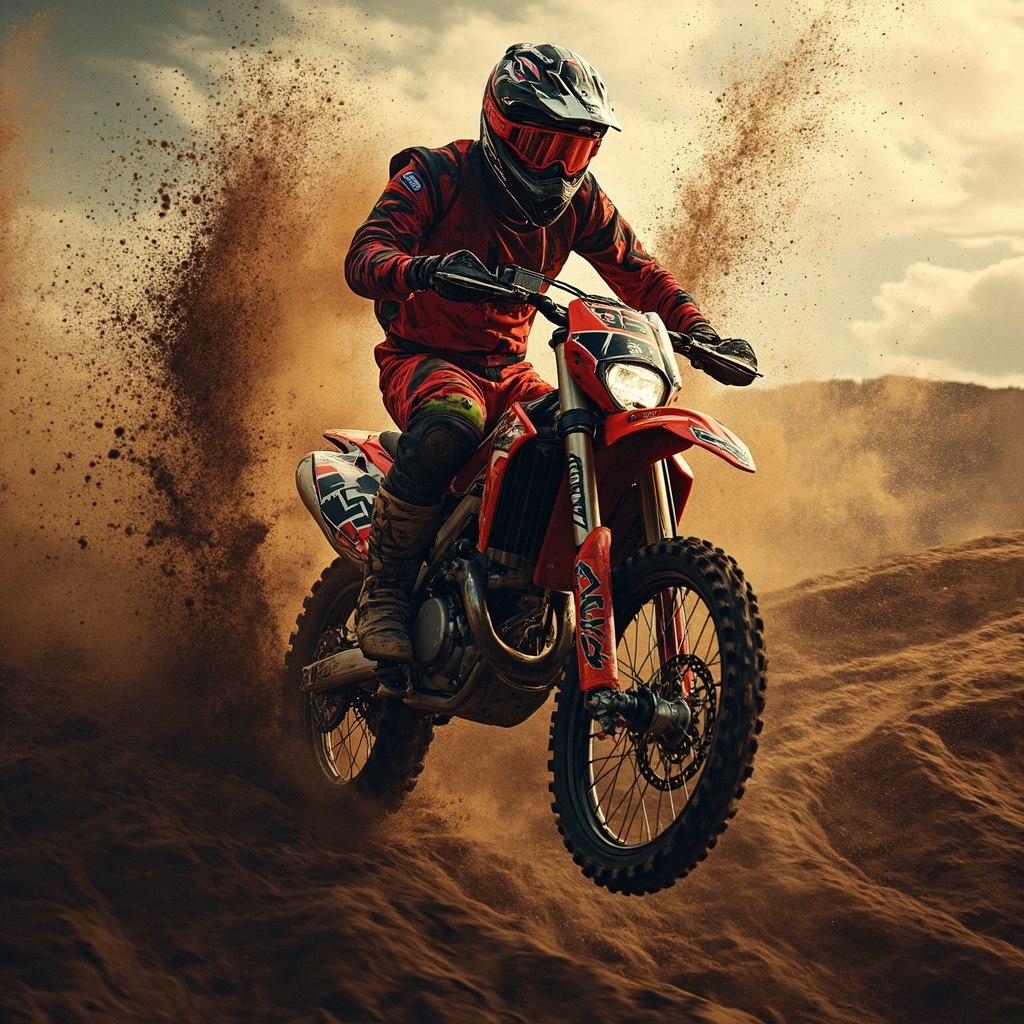
When it comes to premium puncture protection for off-road motorcycles, the mousse vs Tubliss system debate is one of the most important decisions for riders and B2B buyers. Mousse inserts (foam tire inserts) and the Tubliss system (a tubeless conversion platform) both eliminate the traditional inner tube and its associated failure modes — but they operate on fundamentally different principles and offer distinct sets of trade-offs.
For B2B buyers — repair shop owners, distributors, and fleet managers — understanding the mousse vs Tubliss system differences at a technical and commercial level is essential for making stocking decisions, providing knowledgeable customer guidance, and optimizing service offerings. Read our complete wholesale mousse insert guide pour avoir une vision plus globale du marché.
A mousse insert is a precision-engineered closed-cell foam cylinder that completely fills the tire cavity. It uses the foam compression resistance to support the motorcycle weight and absorb impacts. There is no air involved — the mousse is mounted dry and provides consistent mechanical support regardless of external conditions. The foam density (measured in kg/m³) determines the ride characteristics: lower density for traction-focused applications, higher density for speed and stability. Browse our Gamme de produits « Mousse Insert » for available options.
The Tubliss system uses a specialized liner that converts a standard spoked wheel to a tubeless configuration. A small high-pressure inner tube (the “bladder,” inflated to 100-120 psi) presses a urethane liner against the rim edges, creating an airtight seal. The main tire cavity is then inflated independently to low pressure — typically 6-15 psi for off-road use. This design allows riders to run extremely low tire pressures without risk of pinch flats, because there is no inner tube to pinch between the tire and rim. For more details, visit the official Tubliss website.
Mousse inserts — 100% puncture-proof: Because there is no air to lose, any penetration through the tire and mousse has zero effect on performance. Nails, sharp rocks, thorn branches — nothing deflates a mousse insert. This is the gold standard and the primary reason professional racers universally choose mousse inserts.
Tubliss system — Highly resistant but not immune: The main tire cavity can still be punctured. However, at low off-road pressures (6-15 psi), air loss is gradual rather than catastrophic — the rider typically has time to complete the stage or ride back to assistance. The high-pressure inner bladder is well-protected inside the rim but can be damaged by extreme impacts or improper installation. Bladder failure means complete loss of the tubeless seal.
| Aspect | Mousse Inserts | Tubliss System |
|---|---|---|
| Initial Installation Difficulty | Moderate-High (requires strength and technique) | Moderate (similar to tube, needs careful positioning) |
| Installation Time (experienced) | 20-40 min per wheel | 30-60 min first time, 15-25 min subsequent |
| Special Tools Required | Heavy-duty spoons, mousse lube, bead breaker | Standard tire tools, Tubliss-specific components |
| Daily Maintenance | None — just ride | Check main tire pressure and bladder pressure |
| Tire Change Difficulty | Difficult — requires re-lubrication and force | Easier than tube — treat as tubeless tire change |
| Learning Curve | 5-10 installations to achieve proficiency | 1-2 installations to understand the system |
Consultez notre mousse insert installation guide for detailed step-by-step instructions and shop workflow recommendations.
Mousse inserts — Limited: The mousse fixed density determines the ride feel. To change characteristics, you must buy a different mousse insert. Some riders modify mousse inserts (cutting, drilling) to achieve desired feel, though manufacturers advise against this. Typical density options: soft (140-160 kg/m³), medium (160-180 kg/m³), hard (180-200 kg/m³), and extra hard (200-230 kg/m³).
Tubliss system — Highly tunable: Riders can adjust main tire pressure from 0-60+ psi to suit any terrain. Run 6-8 psi for extreme rock crawling traction, 12-15 psi for high-speed desert, 25+ psi for road use — all with the same system. This versatility is Tubliss primary advantage over mousse inserts.
The weight penalty of mousse inserts is primarily unsprung weight, which affects suspension performance. The additional 1-2 kg per wheel is most noticeable in high-speed whoop sections and during quick directional changes. For most non-professional riders, the difference is subtle.
Mousse inserts: 25-150 hours depending on terrain and use. Primary failure mode is compression set (foam loses its elastic recovery). Must be replaced when degraded — no repair possible. Learn more about mousse insert lifespan factors.
Tubliss system: Bladders and liners last 1-3 years with proper maintenance. Primary wear item is the tire itself. Replacement components (bladders: $15-25, liners: $35-50) are relatively inexpensive. The system is reusable across multiple tire changes.
| Cost Factor | Mousse Inserts | Tubliss System | Notes |
|---|---|---|---|
| Initial purchase (per wheel) | $25-60 | $100-130 | Tubliss has higher upfront cost |
| Tire changes per year (moderate rider) | 2-4 sets | 2-4 sets | Same tire consumption |
| Mousse/bladder replacement per year | 2-4 mousse ($50-240) | 0.5 bladder ($10-15) | Mousse has ongoing replacement cost |
| Installation labor per year | $80-200 (2-6 changes) | $40-100 (1-2 changes) | Tubliss tire changes are faster |
| 3-year total per wheel | $255-750 | $190-395 | Tubliss typically lower TCO |
| 3-year total for 2 wheels | $510-1500 | $380-790 | Bike total comparison |
| Discipline | Recommended Solution | Primary Reason |
|---|---|---|
| Hard Enduro / Extreme Terrain | Mousse inserts | 100% puncture-proof, DNF prevention is critical |
| Enduro (club/amateur) | Either — rider preference | Balance of cost and performance |
| Motocross (racing) | Mousse inserts | Consistent feel for full moto, no mid-race change |
| Courses dans le désert | Mousse inserts (heat-resistant) | Puncture-proof at high speed, heat management critical |
| Trail Riding (recreational) | Tubliss system | Lower cost, adjust pressure for conditions |
| Dual-Sport / Adventure | Tubliss system | Must adjust pressure for on-road/off-road transitions |
| Rental / Training Fleet | Mousse inserts | Zero maintenance, foolproof operation |
For most repair shops and distributors, the optimal approach is to stock both systems to serve customers regardless of which side of the mousse vs Tubliss system debate they fall on:
By offering both solutions and guiding customers based on their specific use case, you position your business as a knowledgeable, full-service provider rather than a one-product shop. Learn about OEM/ODM options if you are interested in private labeling your own mousse inserts.
Mousse inserts and Tubliss are complementary rather than competing solutions. Mousse inserts offer unmatched puncture protection at the cost of higher weight, limited tunability, and higher ongoing expense. Tubliss offers excellent puncture resistance with full pressure adjustability at lower long-term cost, but requires more rider attention and has a small vulnerability point (the bladder). The right choice in the mousse vs Tubliss system decision depends on the rider specific use case, budget, and priorities.