
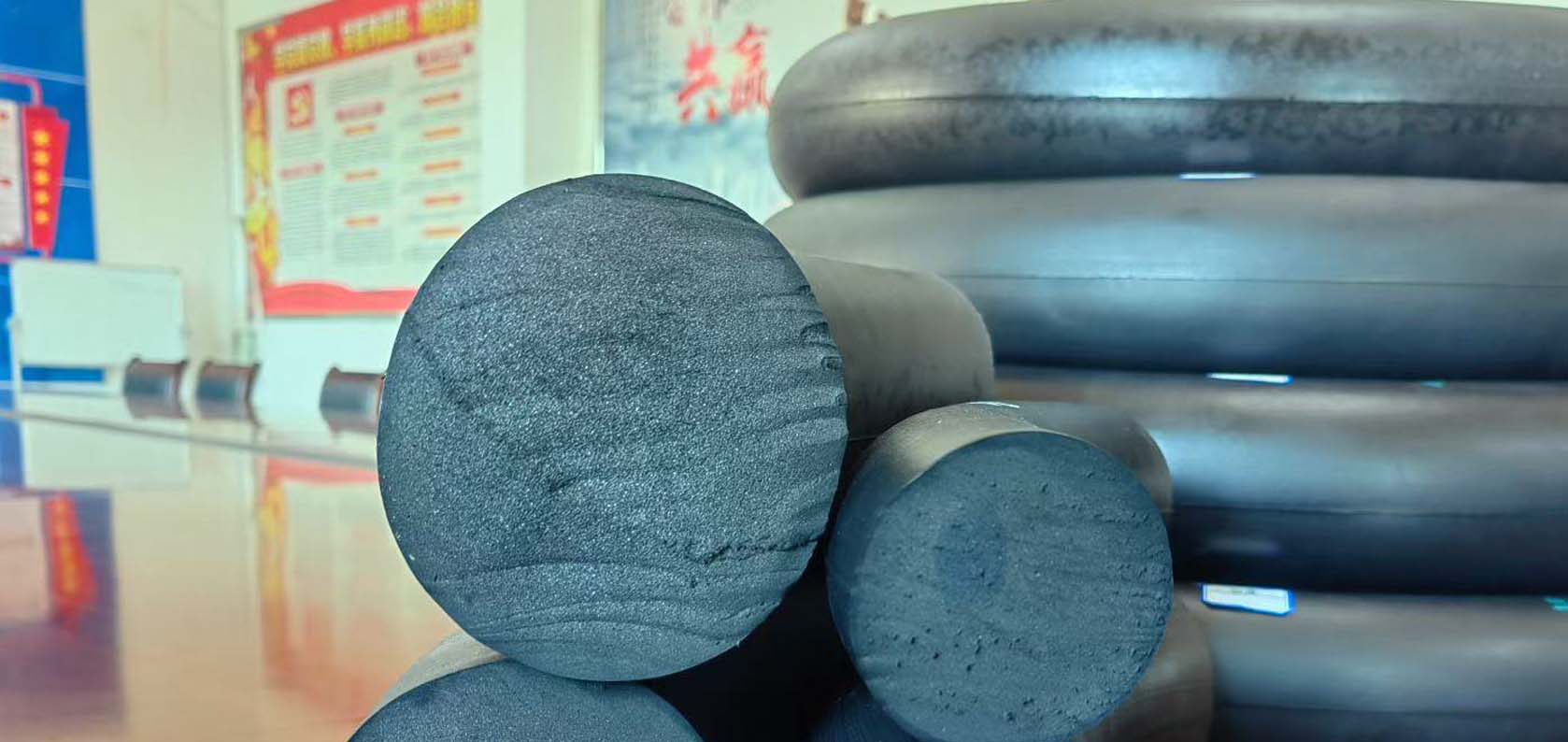
Understanding motorcycle mousse lifespan is essential for every rider who wants to get the most out of their foam inserts. Mousse lifespan is measured in operating hours, not miles or calendar days, and the usable life of a closed-cell foam insert depends primarily on three variables: density formulation, thermal exposure, and terrain abrasion.
| Mousse Density | Durée de vie typique | Best Use Case | Failure Mode |
|---|---|---|---|
| Soft (Front Enduro) | 40-60 heures | Hard enduro, technical trials | Compression set, crumbling |
| Medium (Rear Enduro) | 80-120 heures | Mixed enduro, trail riding | Gradual softening, shrinkage |
| Hard (Rally / Desert) | 150–200 hours | Long-distance rally, Baja | Thermal degradation |
| Heavy-Duty (Adventure) | 120–180 hours | Adventure touring, dual-sport | Sidewall wear, foam collapse |
A soft-density mousse in extreme enduro conditions may be replaced after a single race weekend. A hard-density rally mousse, by contrast, can survive multiple 1,000 km events if thermal limits are respected.
Mousse inserts are closed-cell polyurethane foam. Unlike a tube, which fails catastrophically (puncture), mousse fails gradually through cumulative mechanical and thermal stress.
The three degradation mechanisms are:
Above 100°C internal temperature, polyurethane foam begins to soften and lose structural integrity. At 130°C+, chemical breakdown accelerates rapidly — the foam becomes gummy, then crumbles.
Continuous high-speed riding (80 km/h+ on hard surfaces) generates the most heat. Stop-and-go technical riding generates the least, even though it feels aggressive.
Over time, the foam cells collapse under repeated loading. This is what riders notice as “the mousse feels softer” or “it doesn’t fill the tire anymore.” Compression set is accelerated by:
When mousse is exposed to air at high temperatures, oxidation breaks down the polymer chains. The foam turns brown or yellow, develops a powdery white residue (bloom), and eventually collapses. This is irreversible and means the mousse has reached end of life.
Mousse shrinkage is the visible symptom of compression set. Here is what happens at the cell level:
Each foam cell is a gas-filled bubble. Under repeated compression cycles, cell walls rupture, the gas escapes, and the foam structure compacts. The mousse effectively becomes smaller and less supportive.
| Usage | Typical Shrinkage | Effect on Ride |
|---|---|---|
| 0–20 hours | Negligible | As new |
| 20–50 hours | 1–3% length reduction | Slight softening, still rideable |
| 50–100 hours | 3–8% reduction | Noticeable softening, reduced pinch-flat protection |
| 100+ hours | 8–15% reduction | High risk of tire slippage, replace |
Shrinkage is faster in soft-density formulations and slower in hard-density ones. A mousse that has shrunk more than 10% of its original length should be retired — it can no longer provide consistent tire support or pinch-flat protection.
Heat is the single largest factor limiting motorcycle mousse lifespan. Understanding the thermal behavior of your mousse is the best way to predict replacement intervals and avoid failure on the trail.
| Condition | Internal Temperature | Niveau de risque | Lifespan Impact |
|---|---|---|---|
| Slow technical terrain | 40–60°C | Faible | Normal lifespan |
| Mixed trail riding | 60-85°C | Modéré | Slight reduction |
| Continuous high-speed (80+ km/h) | 85–110°C | Elevated | 30–50% reduction |
| Rallye / course dans le désert | 100–130°C | Haut | Replace after each event |
| Over-lubrication failure | 130°C+ | Critique | Immediate foam collapse |
A medium-density mousse running continuously at 90 km/h on pavement will reach 100°C in approximately 45 minutes. At this temperature, each additional hour of running causes measurable degradation. Rally teams using hard-density mousse schedule replacement every 1,000–1,500 km for this reason.
Unused mousse stored in a sealed bag, away from direct sunlight and ozone sources, maintains its properties for:
| Storage Condition | Shelf Life | Notes |
|---|---|---|
| Sealed, <25°C, dark | 3–5 years | Full performance |
| Sealed, 25–35°C | 2–3 years | Slight hardening |
| Unsealed, exposed to air | 6–12 months | Oxidation begins |
| Direct sunlight or ozone | 3–6 months | Surface cracking, premature failure |
Mousse should be stored in its original vacuum-sealed packaging. Once opened, install within 30 days. Do not store mousse near electric motors, welding equipment, or other ozone sources — ozone attacks polyurethane foam aggressively.
These practices will help you maximize motorcycle mousse lifespan and reduce replacement frequency:
A common mistake is running one density for everything. If you ride both hard enduro and desert, you need two densities. Using a medium-density mousse for hard enduro where a soft would suffice accelerates wear unnecessarily.
Tire carcass construction significantly affects mousse temperature. A tire with a stiffer sidewall generates less flex heat, keeping the mousse cooler. Pair your mousse with a tire designed for mousse use.
Over-stretching the mousse during installation creates pre-compression that reduces lifespan by 20–40%. Use the correct mousse-to-tire size match, not a “one size fits all” approach.
A mousse used for a 4-hour hard enduro can often be reused for training or less demanding terrain. Keep a log of hours per mousse and downgrade used mousse to lower-intensity rides.
Check tire temperature after the first 30 minutes of hard running. If the sidewall feels too hot to hold your hand against, the mousse is operating in the accelerated wear zone. Let it cool before continuing.
How long does a mousse last in hours?
Overall motorcycle mousse lifespan ranges from 40 to 200 hours depending on density. Soft density: 40–60 hours. Medium density: 80–120 hours. Hard density: 150–200 hours. Actual lifespan depends on heat exposure and terrain.
Why does my mousse feel softer after a few rides?
This is normal compression set. Small cell walls begin collapsing under load. Some softening is acceptable, but if the tire feels unsupported or you get pinch flats, replace the mousse.
Puis-je réutiliser une mousse après une course ?
Yes, if it has not exceeded its thermal limits. Check for crumbling, white residue, or soft spots. If the foam feels uniformly firm and shows no signs of thermal breakdown, it can be reused for training or less intense riding.
Does a mousse expire if not used?
Sealed and stored properly, mousse lasts 3–5 years. Once the bag is opened, install within 30 days to prevent oxidation damage.
Why does mousse shrink over time?
Shrinkage is caused by compression set — foam cell walls rupture under repeated load cycles, the gas escapes, and the foam compacts. At 8–15% length reduction, the mousse should be replaced.
Is a worn mousse dangerous?
A mousse that has collapsed or shrunk significantly increases the risk of tire slippage on the rim and pinch flats. Replace it before these symptoms appear.
Does mousse last longer in tubes or tubeless tires?
Mousse is designed for use inside a tire with a tube. Running mousse in a tubeless setup without a tube accelerates heat buildup and reduces lifespan. Always follow the manufacturer’s installation guidelines.
What is the best temperature range for mousse operation?
Optimal: 40–85°C internal temperature. Acceptable: 85–110°C with reduced lifespan. Critical: above 110°C, replace after each use.
| Système métrique | Value |
|---|---|
| Soft density lifespan | 40-60 heures |
| Medium density lifespan | 80-120 heures |
| Hard density lifespan | 150–200 hours |
| Sealed shelf life | 3–5 years |
| Critical internal temperature | 110°C+ |
| Replacement threshold (shrinkage) | >10% length reduction |
| Optimal storage temperature | <25°C |