
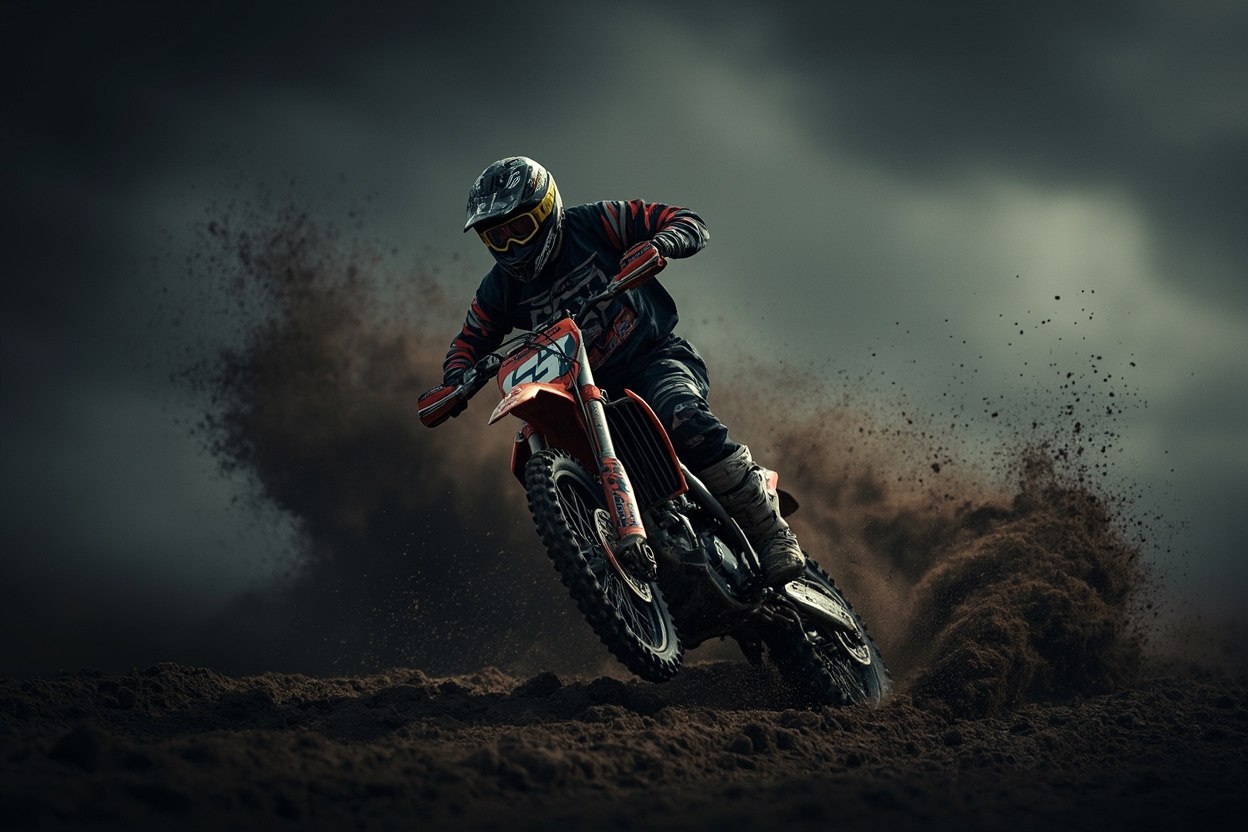
Hard enduro and desert racing represent opposite extremes of off-road motorcycle competition. One demands maximum traction at crawling speeds over technical obstacles; the other demands stability and heat resistance at high speeds across vast distances. Choosing the right hard enduro mousse insert is critical because these fundamentally different requirements demand different specifications.
For B2B buyers serving riders in both disciplines, understanding whether a hard enduro mousse insert differs from a desert racing option is essential for stocking the right products. This guide provides detailed specification comparisons between hard enduro and desert racing mousse requirements. Read our wholesale mousse insert guide for broader market context.
At their core, hard enduro and desert racing impose opposite demands on a mousse insert. A hard enduro mousse insert must excel at low-speed traction, while a desert racing mousse must withstand sustained high temperatures:
| Parámetro | Hard Enduro | Desert Racing |
|---|---|---|
| Primary Speed Range | 0-30 km/h | 80-140 km/h |
| Primary Stress Type | High torque, slow compression | High speed, repeated impacts |
| Heat Generation | Low-Moderate (crawling speed) | High (sustained high speed) |
| Terrain Contact | Sharp rocks, logs, extreme angles | Whoops, sand, hard-pack |
| Traction Priority | Maximum (climbing/obstacles) | Stability (high-speed control) |
| Race Duration (per stage) | 3-8 hours (multi-day) | 4-12 hours (multi-day) |
| Average Speed | 15-25 km/h | 80-110 km/h |
Lower density foam compresses more easily, allowing the tire to conform to rocks and roots for maximum traction. The trade-off is reduced durability — softer foam degrades faster under the extreme localized compression forces of hard enduro riding. Most hard enduro specialists replace mousse inserts every 25-50 hours.
Desert Racing: 200-230 kg/m³ (Hard to Extra Hard)
Higher density foam resists compression at high speed, maintaining tire shape and stability. The denser foam also generates less internal heat since the cell walls are stronger and deform less per compression cycle. For comparison, see our detailed guide to mousse insert lifespan.
Hard Enduro: Heat is not the primary concern. The low average speed means internal mousse temperature rarely exceeds 30-40°C even on hot days. Standard foam formulations perform adequately. The challenge for a hard enduro mousse insert is resistance to physical damage from sharp rocks and extreme compression rather than thermal degradation.
Desert Racing: Heat is the primary mousse killer. Internal temperatures can reach 60-80°C during sustained high-speed running. Specialized heat-resistant formulations are required. Learn more in our professional teams mousse analysis.
Key thermal management strategies for desert racing:
Hard Enduro: Standard sizing applies (110/100-18 rear, 80/100-21 front are most common). Some riders prefer slightly undersized mousse inserts for easier installation. See our complete mousse insert size guide for detailed fitment information.
Desert Racing: Larger sizes like 120/90-18 rear are popular, providing more foam volume to absorb heat and resist compression. Many desert racers also use wider front tires (90/90-21 instead of 80/100-21) for stability at speed.
B2B buyers can verify mousse suitability for each discipline through simple tests:
For third-party quality verification, consider using SGS inspection services for large orders.
| Factor | Hard Enduro | Desert Racing |
|---|---|---|
| Primary Failure Mode | Physical damage / localized compression set | Heat degradation / widespread compression set |
| Vida útil típica | 25-50 hours | 30-60 hours |
| Replacement Indication | Loss of traction / tire squirms abnormally | Progressive softening / vagueness at speed |
| Best Practice | Inspect after every race for surface damage | Track hours rigorously — replace proactively |
| Storage Between Races | Mousse in tire OK for up to 2 weeks | Remove from tire if not racing within 1 week |
For distributors serving both disciplines, stock appropriately for each type of hard enduro mousse insert:
Browse our mousse insert product range for available sizes and densities.
Hard enduro and desert racing demand fundamentally different mousse insert specifications. The soft, traction-focused hard enduro mousse insert optimized for technical terrain will fail prematurely in desert conditions. The hard, heat-resistant mousse built for desert racing will sacrifice the traction needed for extreme technical terrain. B2B buyers who understand these differences and stock accordingly can better serve specialized customers. Compare options in our mousse vs Tubliss comparison for a broader perspective on puncture protection solutions.