
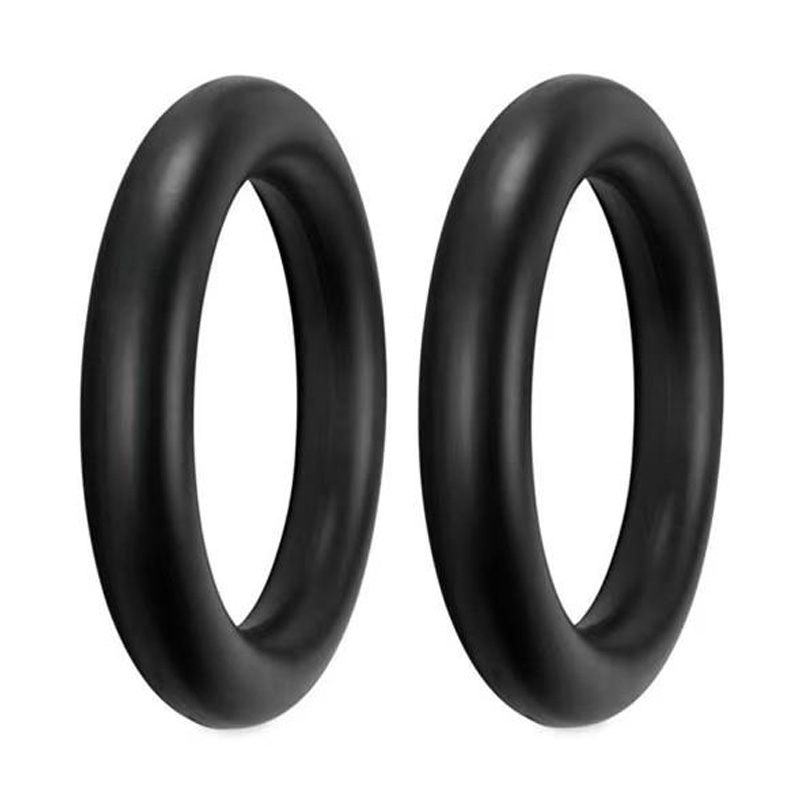
Comprender mousse insert lifespan is critical for B2B buyers — whether you are a distributor managing inventory turnover, a repair shop advising customers, or a fleet operator budgeting for replacement cycles. Unlike inner tubes with their unpredictable failure from punctures, mousse inserts degrade predictably based on usage patterns, terrain, and environmental factors.
This guide provides detailed lifespan data across different use cases, explains the physical mechanisms of foam degradation, and offers practical strategies for maximizing your mousse insert lifespan. For broader context, read our guía de inserción de mousse al por mayor.
Mousse insert lifespan is measured in hours of actual riding time, not calendar time or distance. The following data represents industry averages based on manufacturer testing and field reports from professional teams:
| Use Case | Terrain Type | Expected Lifespan (Hours) | Tire Changes per Mousse |
|---|---|---|---|
| Motocross (Pro) | Groomed tracks, hard-packed | 30-60 hours | 1-2 tires |
| Motocross (Amateur) | Varied track conditions | 50-80 hours | 2-3 tires |
| Enduro (Pro/Expert) | Technical single-track, rocks, roots | 40-70 hours | 1-2 tires |
| Enduro (Intermediate) | Mixed trail conditions | 60-100 hours | 2-3 tires |
| Hard Enduro | Extreme rocks, logs, steep climbs | 25-50 hours | 1 tire |
| Desert Racing | High-speed, rough terrain | 30-60 hours | 1-2 tires |
| Trail Riding (Casual) | Maintained trails, fire roads | 80-150 hours | 3-5 tires |
| Rental Fleet | Mixed conditions | 60-120 hours | 2-4 tires |
The mousse foam is composed of millions of microscopic closed cells. Each compression cycle (every wheel revolution) puts mechanical stress on the cell walls. Over time, cell walls rupture and the foam loses its elastic recovery — this is called compression set. The mousse gradually becomes softer and less supportive. This accounts for 70-80% of mousse failures under normal use.
Key indicator: When the installed mousse allows the tire to deform more than 15-20% under normal load, replacement is needed.
Mousse inserts generate internal heat during use as the foam compresses and rebounds. At sustained high temperatures (above 60°C / 140°F), the foam chemical structure begins to break down, accelerating compression set. Heat damage is the primary failure mode in high-speed desert racing. Premium heat-resistant formulations can tolerate up to 70-80°C. For more on this topic, see our comparación entre enduro duro y carreras en el desierto.
Risk factors for heat damage:
Exposure to certain chemicals can damage the foam structure and reduce mousse insert lifespan:
Mousse insert lifespan varies widely based on use case, terrain, and maintenance — from 25 hours in extreme hard enduro to 150 hours for casual trail riding. The key to maximizing value is selecting correct density, ensuring proper installation, and monitoring for degradation. B2B buyers who understand these factors can reduce warranty disputes and build a reputation for knowledgeable service. For more details, explore our guía de tallas or OEM manufacturing guide.