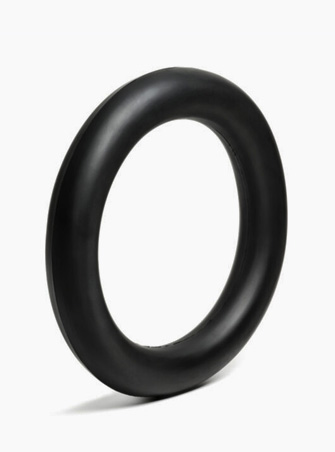
Introduction to Mousse Insert Installation
Proper mousse insert installation is critical to performance, safety, and product lifespan. For repair shops offering mousse insert installation services, mastering the correct procedure reduces warranty claims, increases customer satisfaction, and builds a reputation for quality workmanship. Improper installation is the leading cause of mousse insert failure — accounting for an estimated 40-60% of all warranty claims.
This guide covers the complete mousse insert installation process, required tools, common mistakes, and best practices for shop workflow. For sizing help first, check our mousse insert size guide.
Understanding the Mousse Insert Installation Challenge
Mousse inserts are significantly more difficult to install than standard inner tubes. The foam must be compressed, lubricated, and carefully positioned — all while managing the tire bead over the rim. The mousse fills the entire tire cavity, leaving no room to maneuver. Unlike a tube which is installed deflated, the mousse must be in final position before the tire is fully seated.
Experienced technicians report that proper technique reduces mousse insert installation time by 40-60%. The learning curve typically requires 5-10 installations before achieving consistent results. For product selection assistance, browse our mousse insert product range.
Required Tools for Mousse Insert Installation
Essential Tools for Mousse Insert Installation
- Heavy-duty tire spoons (3 recommended): Standard tire irons may bend. Use 600mm+ forged steel spoons. Brands like Motion Pro offer professional-grade options.
- Bead breaker: A dedicated bead breaker tool saves significant effort.
- Mousse-specific lubricant: Standard tire mounting paste is inadequate.
- Rim protector: Prevents rim edge damage during installation.
- Torque wrench: For proper rim lock and axle nut tightening.
Optional but Recommended
- Hydraulic tire press: For high-volume shops processing 10+ installations per week
- Tire warming blanket: Warming the tire to 30-40°C reduces required force by 20-30%
- Mousse compression tool: Commercial tools that compress the mousse during insertion
Step-by-Step Mousse Insert Installation Procedure
Preparation
- Remove existing tire and tube: Deflate completely, break the bead, remove the tire. Inspect the rim for damage. Clean the rim bed and bead seat area.
- Select correct mousse size: Verify the mousse matches the tire size. Check for visible defects. Refer to our size guide for fitment details.
- Prepare the mousse: Apply mousse lubricant generously to the entire surface. Work it into the foam by hand.
Einrichtung
- Position the tire: Place on the rim with one bead seated in the drop center. Secure in a tire stand.
- Insert the mousse: Feed the lubricated mousse between the unseated bead and rim. Work around gradually.
- Seat the second bead: Use short (2-3 cm) increments with tire spoons. Keep the mousse pushed down.
- Seat the bead fully: Use a bead clamp or zip ties. The bead should seat with an audible pop.
- Install the rim lock: Torque to manufacturer specifications.
- Final inspection: Spin the wheel — the bead line should be even on both sides.
Common Mousse Insert Installation Mistakes
1. Insufficient Lubrication
Inadequate lubrication causes the mousse to bind inside the tire. Fix: Apply generously and reapply if the foam starts to bind during mousse insert installation.
2. Taking Too Much Bead at Once
Using more than 2-3 cm of bead per stroke strains the spoon and risks pinching. Fix: Use short, controlled strokes.
3. Pinching the Mousse Under the Bead
The mousse traps between the bead and rim edge. Fix: Continuously push the mousse down and away from the bead area.
4. Using Wrong Lubricant
Standard tire paste or WD-40 dry too quickly. Fix: Use only mousse-specific, water-based lubricant.
5. Installing in Dirty Conditions
Dirt trapped between mousse and tire causes premature degradation. Fix: Work in a clean, dry environment.
Shop Workflow Recommendations
Pricing the Service
- Per wheel (customer brings tire and mousse): $25-50
- Per wheel (customer buys from shop): $20-35 (bundled discount)
- Removal + disposal + new installation: $35-60
Time Management
- Experienced technician: 15-25 minutes per wheel
- Average technician: 25-40 minutes per wheel
- Novice technician: 40-60+ minutes per wheel
Quality Checklist
- Bead line is even on both sides
- Wheel spins true with no wobble
- Rim lock properly torqued
- No visible foam between bead and rim
- Customer advised on expected mousse lifespan
Conclusion
Successful mousse insert installation requires proper tools, correct technique, and practice to master. Repair shops that invest in training and equipment can offer a high-value service that generates strong customer loyalty. For more resources, explore our wholesale guide or OEM manufacturing options.